
 By
By 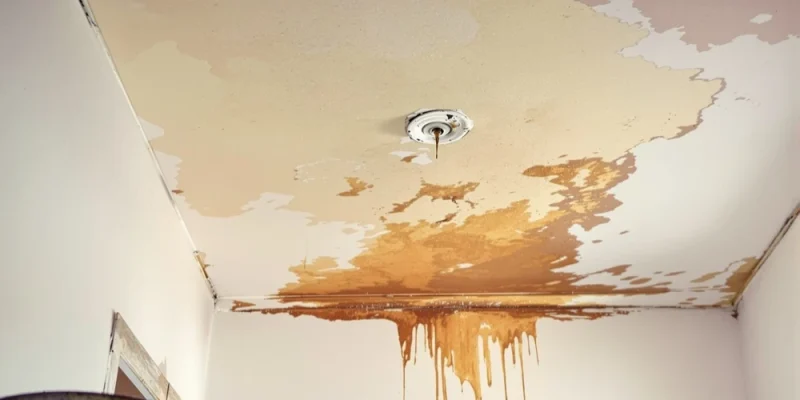
Most homeowners picture a leak as a hole. A missing shingle, a cracked pipe boot, a branch through the decking. In practice, a large share of the water damage found on Central Ohio houses starts somewhere less obvious. It starts at the places where one exterior system is supposed to hand water off to the next, and the handoff quietly fails.
Think of the outside of a house as a relay team. The roof catches the rain, the gutters carry it, and the siding keeps whatever slips past from reaching the framing. Each of those layers can be in fine shape on its own and still let water in where they meet. That is why a contractor like Highland Exteriors, a family-run Columbus company that handles roofing, siding and gutters under one roof, tends to look at the whole envelope during an inspection instead of only the part that triggered the phone call.
Ohio weather makes the seams work hard. Spring storms push rain sideways, summer downpours swamp gutters in minutes, and winter freeze and thaw pries open any gap that held moisture the day before.
Water Has No Idea Which Crew Installed What
On many homes, the roof, gutters and siding were installed in different decades by different companies. Each crew did its own job. Nobody owned the transitions.
This is the root of a lot of hidden rot. A gutter installer hangs new troughs without checking whether the drip edge actually laps into them. A siding crew trims panels tight against a roof surface because it looks cleaner. None of these choices looks wrong from the driveway, and none shows up as a stain until the damage is done.
The Eave Edge Carries More Than It Looks Like
Drip edge metal is meant to guide water off the shingles and into the gutter rather than letting it curl back under and soak the fascia board. If the drip edge is missing, too short, or sitting behind the gutter instead of over it, water runs down the face of the fascia every time it rains. The wood swells and eventually the hangers lose their grip.
Ice is the second threat at the eaves. When attic heat melts snow higher up the roof, that water refreezes at the cold overhang and backs up under the shingles. Central Ohio sits close to the line where building codes start requiring a self-adhering ice barrier along the eaves, and many careful roofers install one regardless, because a couple of hard winters can turn a borderline case into a ceiling stain.
A Small Bent Piece of Metal at the Sidewall
Anywhere a lower roof runs into a taller wall, such as a garage roof meeting a two-story wall or a porch roof tucked beside a bedroom, the water traveling down that wall-side flashing needs somewhere to go at the bottom. The answer is a kickout flashing, a little angled diverter that steers runoff out and into the gutter instead of behind the siding.
It is a cheap part, and its absence is one of the most expensive mistakes a house can have. The home inspection association InterNACHI points out that missing or poorly installed kickout flashing can cause serious wall damage with almost no visible warning. Water collects in one concentrated spot inside the wall cavity, often right above a window or a doorway, and the sheathing softens long before anyone notices.
Gutters Fail by Being Slightly Wrong
Gutters rarely fail dramatically. They fail by being a little undersized, a little flat, or a little clogged.
A standard five inch trough can suit a modest ranch and be badly outmatched on a steep, wide roof that dumps a cloudburst into one corner. Pitch matters too. A gutter that slopes the wrong way, even slightly, holds standing water that overflows behind the trough and freezes into heavy ice in January.
Gutter guards help, but the style counts. Some designs slide beneath the first row of shingles, which can lift the shingle edge and conflict with manufacturer installation rules. Others mount to the front lip of the gutter and leave the roof alone. Asking how a guard attaches is worth the thirty seconds.
Siding Is a Backup Rather Than a Shield
A surprising number of people assume siding is waterproof. It is not meant to be. Vinyl siding in particular is designed to let some water behind it and then drain that water down the house wrap and out at the bottom. That only works if the wrap and window flashing are lapped correctly.
Fiber cement siding brings its own seam rules. Manufacturers such as James Hardie call for a gap of an inch or two between the bottom of the siding and any roof surface it sits beside, so the board does not wick up standing water. Crews that butt the panels tight to the shingles for a cleaner look are trading a few years of the product’s life for appearance.
Clues You Can Spot From the Yard
A slow walk around the house after heavy rain catches many seam problems without a ladder. Watch for these signs.
- Water sheeting over the front of a gutter instead of flowing to the downspout
- Dark streaks or peeling paint on fascia boards directly behind the gutters
- Stains on siding beneath the low corner of any roof that meets a wall
- Soft or swollen trim around windows tucked under a roof edge
- Icicles forming behind the gutter rather than off its front lip in winter
None of these guarantees damage inside the wall. Each one does tell you where to point a flashlight during your next inspection.
Replacing One Layer Exposes the Others
The trend across Columbus neighborhoods lately has been toward coordinating exterior projects rather than tackling them one at a time. Tearing off siding once to fix flashing is cheaper than doing it twice, and manufacturers increasingly tie stronger warranty coverage to complete, correctly detailed installations.
When a new roof goes on, it often reveals rotted fascia that the old gutters were hiding. When new siding goes up, it uncovers flashing the roofer never could reach. Planning for those discoveries keeps a single project from turning into a chain of surprise repairs.
The house works as one system whether or not the trades that built it did. Paying attention to the places where roof, gutter and wall meet is the most reliable way to keep a strong exterior from leaking at its weakest joint.





Comments