
 By
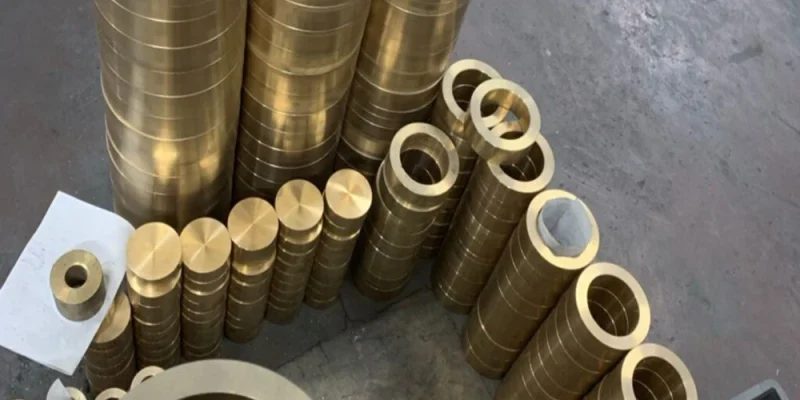
Bronze is the metal engineers reach for when steel would gall, rust or seize. It turns up in the pivot joints of earthmoving equipment, the rudder bearings of workboats and the slow shafts of water treatment pumps, quietly carrying load where two surfaces rub or seawater never drains away. Each of those parts starts life in a bronze foundry, and what happens on the melt floor decides how long it lasts.
The work begins well before any metal is poured. Copper alloy shops buy ingot, master alloys, fluxes, crucibles, ladle coatings and molding sand, and many brass casting supplies overlap with what a bronze melt shop keeps on its shelves. What separates a good shop is how carefully each alloy is stored, melted and checked. A bushing and a propeller blade fail in very different ways when chemistry or soundness slips, so the process looks a little different for each product.
Which Brass Casting Supplies Also Belong in a Bronze Melt Shop?
Crucibles, refractory linings, graphite stirring rods, deoxidizers and parting compounds serve both brass and bronze, which is why one stockroom often feeds both. Ingot is a different story. Each heat starts from certified ingot or from clean, sorted returns such as gates, risers and machining chips from the same alloy, and those returns need careful labeling.
Mixing is the quiet danger. Aluminum bronzes tolerate very little lead, so a few leaded turnings swept into the wrong bin can spoil a whole heat of marine metal. Many shops store each alloy family in its own color-coded area and test incoming material with a handheld analyzer before it goes near a furnace. It feels like housekeeping, yet it prevents more scrap than any later inspection can catch.
Can Gas in the Melt Ruin a Bearing Before It Is Even Cast?
Yes, and it happens more often than buyers realize. Molten copper alloys absorb hydrogen from damp charge material, wet tools and combustion gases, and the hotter the metal runs, the more gas it picks up. As the casting freezes, that gas comes out of solution as fine pinholes. In a bushing, those pinholes open up on the bore after machining, which ruins the bearing surface. An experienced brass casting manufacturer carefully controls melting conditions and moisture levels to minimise gas-related defects in the finished components.
Melters fight this in a few ways. They preheat tools and charge, melt quickly in induction or crucible furnaces, and avoid holding metal at temperature for long. Tin bronzes are usually treated with phosphor copper just before pouring, which strips out dissolved oxygen and keeps the metal fluid. For alloys with a wide freezing range, experienced shops pour at the lowest temperature that still fills the mold, since extra heat mainly adds gas and shrinkage. A quick test sample poured before the main casting shows whether the melt is sound.
Sand Mold, Spinning Mold or Continuous Bar: Which Route Suits a Bushing?
Small and medium bushings rarely start as individual sand castings. Most begin as tube or solid bar, then get cut and machined to size. Continuous casting draws bronze through a cooled graphite die to make long lengths of bar and hollow stock, covered in the United States by ASTM B505. It suits standard diameters needed in steady quantities.
Larger sleeves, heavy walls and unusual alloys often go to spinning molds instead, under ASTM B271. Some foundries run their own vertical machines, while others buy tubes from a specialist centrifugal casting manufacturer and focus their own floor on machining. Either way, the dense outer wall becomes the part, and the porous inner skin disappears with the boring cuts. Odd shapes with flanges, lugs or ribs return to sand molds, which ASTM B584 covers for general copper alloy castings.
Why Are Big Bearings and Wear Plates Usually Sand Cast?
Split bearings for crushers, rolling mills and large pumps can be too big or too irregular for a spinning mold. These are usually molded in chemically bonded sand around a pattern, with risers placed so the thickest sections feed properly as the metal shrinks. A custom bronze casting of this kind may need a pattern built for one order, which explains why lead times run longer than for bar stock.
Wear plates and slide gibs follow a similar route. Engineers often ask for extra machining stock on wear faces because the outer skin of a sand casting can hold sand grains and small oxides. Once the face is machined flat, the sound metal underneath does the work. Riser sleeves, binders and core coatings often come from the same brass casting supplies used across the copper alloy floor, though each alloy gets its own sand mix where needed. A good pattern shop will also add shrinkage allowances that match the specific alloy, since aluminum bronze and tin bronze shrink by different amounts.
What Changes When a Part Will Spend Its Life in Seawater?
Marine work raises the bar on both chemistry and inspection. Propellers, pump casings and valve bodies commonly use nickel aluminum bronze or manganese bronze, depending on load and speed. A bronze casting foundry pouring a propeller controls the pour carefully because aluminum bronzes form a tough oxide skin, and any turbulence folds that skin into the blade.
After shakeout, propellers are ground and measured for pitch and blade form against tolerance classes set out in ISO 484, then balanced so the shaft runs smoothly. Pump casings and valve bodies typically go through hydrostatic pressure testing. Dye penetrant inspection finds surface cracks, and radiography may be used on critical sections. Any weld repair follows a qualified procedure, and classification society surveyors often witness tests on ship parts. These steps add time, yet they explain why a marine casting lasts for decades in salt water.
Does Machining Finish the Job on a Cast Bronze Bushing?
Machining finishes most bushings, though a few extra steps often follow the lathe work. Oil grooves, chamfers and press-fit tolerances get cut to the drawing, and bushings for hard-to-reach joints may receive drilled pockets packed with solid graphite plugs that lubricate the shaft as it turns. Inspectors then check bore size, roundness and wall thickness, while the bronze foundry supplies chemistry reports traced back to the heat. A metal casting company considers these specifications when determining the appropriate casting process and material for the intended application. When specifying a bronze part, sharing the load, shaft speed, lubrication method and operating environment helps the foundry choose the right casting route from the start






Comments